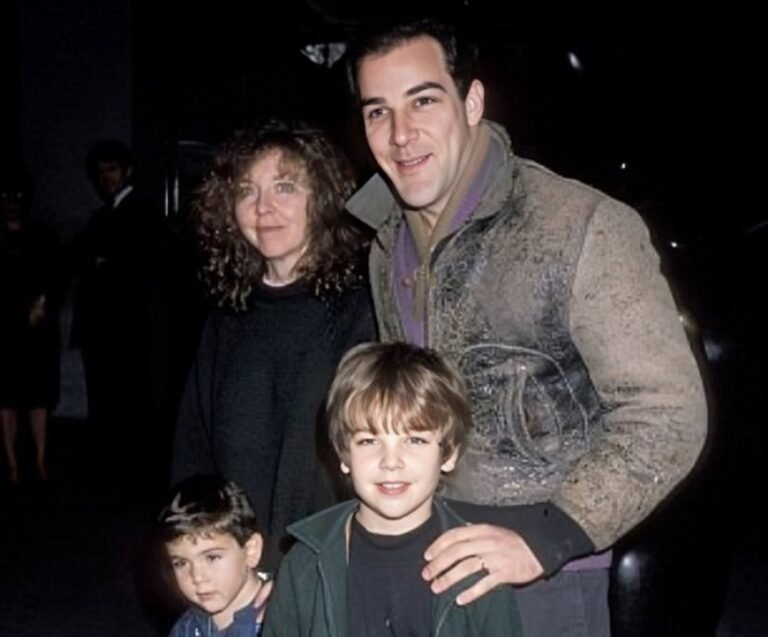
When we talk about foundational characters in crime drama, it’s impossible to ignore Mandy Patinkin's portrayal of Jason Gideon on Criminal Minds. His performance, a blend of profound wisdom and simmering vulnerability, laid much of the emotional and intellectual groundwork for the BAU. Yet, behind that iconic portrayal lies a stark truth: a journey marked by deep personal regret for the actor, shaping not just his time on the show but also the very fabric of Gideon's dramatic on-screen departure.
This isn't just about an actor leaving a hit show; it's a story of artistic integrity clashing with creative direction, and the very real human cost of inhabiting dark fictional worlds. It's about why a character like Gideon, who started as the BAU's moral compass, found himself adrift, mirroring the star who played him.
At a Glance: Unpacking Gideon's Legacy and Patinkin's Regrets
- Who was Jason Gideon? The Behavioral Analysis Unit's lead profiler in Criminal Minds from its inception in Fall 2005, revered for his unparalleled insight and empathetic approach to twisted minds.
- Why did Mandy Patinkin leave? He departed abruptly during Season 3, citing profound discomfort with the show's increasingly dark and violent content, specifically the constant depiction of gruesome murders. He felt it was "destructive to my soul and my personality."
- How did Gideon depart on-screen? After two seasons, Gideon abandoned his post, overcome by the emotional toll of the job and feeling responsible for a colleague's suspension. His last known words suggested he was lost and unsure of his future.
- What happened to Gideon later? Eight seasons after his departure, the character was tragically murdered off-screen by a serial killer, Donnie Mallick, solidifying his permanent absence.
- Patinkin's career trajectory post-CM: Despite assuming he'd never do television again, Patinkin went on to star in "Homeland" for eight seasons, earning four Emmy nominations, demonstrating a powerful artistic rebound.
The Weight of the Badge: Unpacking Patinkin's Real-World Disillusionment
Mandy Patinkin joined Criminal Minds in 2005, fresh off a celebrated career in theater, film, and other television ventures. He was drawn to the premise: a show about brilliant minds using psychology to understand and catch the most dangerous criminals. The idea of exploring human behavior, even its darkest corners, through an intellectual and empathetic lens, surely appealed to an actor known for his depth and intensity. Jason Gideon, with his chess metaphors, his deep empathy for victims, and his quiet struggle with the job's toll, seemed perfectly suited to Patinkin's talents.
However, as the series progressed, the focus, in Patinkin's view, began to shift dramatically. What started as a psychological thriller delving into the why of criminal behavior morphed into a relentless parade of grotesque violence, particularly against women. This wasn't the show he'd envisioned.
Patinkin famously articulated his distress, stating, "The biggest mistake I ever made was joining Criminal Minds." He clarified that it wasn't the cast or crew that was the issue, but the content itself. "I thought it was something very different," he explained in subsequent interviews. "I didn't think they were going to kill and rape all these women every night, week after week, year after year." This visceral reaction highlights a critical point for many actors who immerse themselves in demanding roles: the line between performance and personal well-being can blur dangerously.
For Patinkin, the emotional toll was immense. He described the constant exposure to such brutal narratives as "destructive to my soul and my personality." This wasn't a superficial complaint; it was a deeply personal cry from an artist who found himself unable to reconcile his own moral compass and emotional capacity with the demands of his role. He wasn't simply playing a character; he was internalizing the despair, the fear, and the sheer inhumanity depicted week after week. The weight of those fictional badges, and the horrors they encountered, proved too heavy for Patinkin to carry indefinitely. His regret was palpable, not just for the choice to join the show, but for the profound impact it had on his emotional landscape.
Gideon's Fractured Farewell: When Art Imitates Life (and Vice Versa)
The ground for Patinkin's eventual departure was laid throughout his two full seasons. Jason Gideon was, by nature, a deeply sensitive and introspective man. He felt the weight of every case, every victim, every killer. He carried a heavy burden, frequently seeing the humanity in monsters, which was both his greatest strength as a profiler and his most agonizing vulnerability. This internal struggle made him a compelling character, but also ripe for a breakdown.
His on-screen exit, which occurred abruptly in Season 3, was as poignant as it was definitive. After feeling responsible for the suspension of his colleague, Aaron Hotchner (Thomas Gibson), Gideon reached his breaking point. He abandoned his post, leaving his gun and badge behind, a clear symbolic rejection of the life he could no longer bear. His last moments on screen were spent in a diner, telling a bewildered waitress, "I don't know where I'm going." This statement, uttered by Gideon, felt eerily resonant with Patinkin's own sense of being lost within the show's dark narrative. It was the character's profound disillusionment mirroring the actor's.
Gideon's departure wasn't a dramatic chase scene or a heroic sacrifice; it was a quiet, almost mournful surrender to the overwhelming darkness. He simply couldn't do it anymore. This felt like a direct translation of Patinkin's real-life struggle, giving the character's exit a raw authenticity that transcended mere plot points. The regret of signing on, the regret of seeing the show become something he couldn't stomach, fueled an on-screen character arc that resonated with a similar sense of weariness and despair.
Many viewers felt the void left by Gideon keenly. His departure paved the way for Joe Mantegna's character, David Rossi, but Gideon's specific blend of gravitas and vulnerability was irreplaceable. To truly understand the depths of his character and the impact he had, you can Learn more about Jason Gideon and his foundational role in the BAU. His quiet exit served as a powerful narrative device, showcasing that even the most resilient minds have their limits when confronted with unrelenting evil.
A Legacy Forged in Shadow: The Enduring Impact of Gideon's Absence
Gideon's abrupt departure left a gaping hole in the BAU. Not only was he the unit's lead profiler, but he was also a paternal figure to many, particularly Dr. Spencer Reid (Matthew Gray Gubler). His absence reverberated through the team, forcing them to adapt and evolve. Rossi, a co-founder of the BAU, stepped in, bringing a different, more pragmatic energy to the unit, but the ghost of Gideon’s emotional depth and unique approach lingered for many seasons.
The decision not to simply kill Gideon off immediately after Patinkin left was a smart narrative choice, allowing for the possibility of his return (however slim) and maintaining the character's symbolic presence. However, eight seasons later, Criminal Minds finally brought a definitive end to Jason Gideon's story. In a heartbreaking twist, he was murdered off-screen by a serial killer from his past, Donnie Mallick, in an episode that pulled the team back into one of Gideon's old cases.
This ultimate fate, while devastating for fans, was ironically fitting for a character whose life was so deeply intertwined with the darkness he fought. It provided a sense of closure, though a tragic one, cementing his legacy as a man consumed by the very evil he sought to understand and defeat. His death underscored the constant danger inherent in the BAU's work and the profound personal sacrifices required. It was a somber acknowledgement that even after leaving the job, the job never truly leaves you.
Beyond the BAU: Patinkin's Redemption and Reinvention
It's easy to assume that after such a public and emotionally charged departure from Criminal Minds, Mandy Patinkin might have stepped away from television altogether. Indeed, he initially expressed such sentiments, feeling burned by the experience. Yet, proving the resilience of both the human spirit and artistic drive, Patinkin made a remarkable return to the small screen just a few years later.
In 2011, he joined the cast of Showtime's critically acclaimed thriller Homeland, portraying the iconic CIA mentor Saul Berenson. For eight seasons, Patinkin delivered a nuanced, powerful performance that garnered him four Emmy nominations. Homeland was a different beast altogether: politically charged, complex, and still dealing with dark themes, but with a different kind of violence—one often rooted in espionage, geopolitical conflict, and moral dilemmas, rather than the serial killer procedural gore that had so disturbed him on Criminal Minds.
This move was a powerful testament to Patinkin's artistic integrity and his belief in finding projects that align with his personal values. He didn't shy away from challenging roles; he simply sought out challenges that didn't compromise his emotional well-being to the same extent. His success on Homeland demonstrated that his talent was undeniable and that an actor's "regrets" about one project can lead to profound growth and new, fulfilling opportunities. It was a story of redemption, not just for his career, but for his spirit, finding a way to continue doing what he loved on terms that honored himself.
The Unspoken Costs: What Patinkin's Experience Reveals About Dark Content
Mandy Patinkin's candidness about his reasons for leaving Criminal Minds sparked important conversations, not just among fans but within the entertainment industry itself. His experience brings to light several critical aspects of working on shows with consistently dark and violent subject matter:
- Psychological Toll on Actors: While actors are trained to embody characters, the constant immersion in grim realities—even fictional ones—can have a genuine psychological impact. Empathy, a crucial tool for an actor, can become a double-edged sword when the material is relentlessly bleak. Patinkin's words about the show being "destructive to my soul and my personality" are a stark reminder that mental health is paramount, even for professionals in creative fields.
- The Ethics of Portraying Violence: Patinkin's specific discomfort with the "kill and rape all these women every night" aspect raises questions about the ethical responsibilities of creators and networks in depicting violence. Is it gratuitous? Does it serve a narrative purpose, or does it simply titillate or desensitize? His stance highlights the debate around the line between realistic portrayal and exploitation.
- Actor Agency and Artistic Integrity: Patinkin's decision to walk away from a highly successful show, despite the financial and career implications, was a powerful exercise of agency. It showcased an actor prioritizing his well-being and artistic principles over commercial success. It sends a message that actors, like any professional, have a right to draw boundaries and protect their mental health.
- Evolving Content and Expectations: The television landscape has changed dramatically since 2005. While dark content remains popular, there's a growing awareness of its potential impact on both viewers and creators. Patinkin's early exit foreshadowed a broader conversation about trauma-informed storytelling and the need for emotional support on set for those dealing with intense material.
His experience serves as a powerful case study, illustrating that what viewers consume for entertainment can have profound effects on those who bring it to life.
Fan Speculation vs. Reality: Common Questions About Gideon's Exit
When a beloved character like Jason Gideon departs abruptly, especially under such dramatic circumstances, it's natural for fans to fill in the blanks with speculation. Let's address some common questions and clear up misconceptions:
- Was there a feud with producers or cast members? No. Patinkin consistently stated that his departure had nothing to do with personal conflicts. He held his colleagues in high regard. His issue was solely with the content and the direction the show was taking, indicating profound artistic and personal differences, not interpersonal ones.
- Did Mandy Patinkin regret leaving Criminal Minds? Based on his consistent public statements, the answer is no. He expressed regret over signing on in the first place, feeling it was "the biggest mistake he ever made" due to the nature of the content. Leaving was a necessary step for his own well-being, not a decision he later second-guessed from a professional standpoint.
- Could Jason Gideon have ever returned to the show? Before his off-screen death, the possibility was theoretically open, though highly unlikely given Patinkin's strong feelings. However, once the character was confirmed to be murdered by Donnie Mallick in Season 10, any chance of a physical return was definitively closed, save for flashbacks or spiritual appearances. The show solidified his absence for good.
- Did his departure hurt Criminal Minds? While Gideon's absence was felt, Criminal Minds successfully navigated the transition, bringing in Joe Mantegna's David Rossi. The show continued for many more seasons, demonstrating its resilience and the strength of its ensemble cast and core premise. However, many fans would argue that the show lost a certain emotional anchor with Gideon's absence, changing its overall tone.
These questions highlight the strong connection viewers felt to Gideon and Patinkin's portrayal, underscoring the deep impact an actor's commitment can have, even when that commitment ultimately leads to a difficult goodbye.
Lessons from the Profiler: Crafting Memorable Characters with Depth
The story of Mandy Patinkin and Jason Gideon offers several profound lessons for creators, actors, and even viewers about the craft of character development and the ethics of storytelling:
- The Power of a Short, Intense Tenure: Despite only being on Criminal Minds for a little over two seasons, Jason Gideon became an indelible part of the show's legacy. This proves that impact isn't solely measured by longevity but by the depth, nuance, and conviction an actor brings to a role. Patinkin’s portrayal was so layered that his presence is still discussed years after his departure.
- When Actor and Character Align (or Diverge): The most compelling characters often emerge when an actor can bring their own lived experience and emotional truth to the role. In Gideon's case, Patinkin's personal distress with the show's content inadvertently fed into Gideon's on-screen disillusionment, creating a powerful, albeit tragic, synergy that elevated the character's final arc.
- The Ripple Effect of Character Departure: Gideon's exit wasn't just a change in cast; it was a narrative earthquake. It forced the remaining characters to grow, adapt, and process grief, enriching their own stories. A well-executed character departure, even under difficult circumstances, can serve as a catalyst for significant narrative development.
- Empathy is a Double-Edged Sword: Both Jason Gideon and Mandy Patinkin experienced the overwhelming burden of empathy. For Gideon, it was understanding the darkness of the human soul to a debilitating degree. For Patinkin, it was internalizing the fictional horrors to the point of personal distress. This highlights that empathy, while vital for connection and understanding, requires strong boundaries for self-preservation.
Ultimately, Gideon's character, brought to life by Patinkin, remains a touchstone in Criminal Minds lore—a reminder that even the strongest can break under the weight of constant exposure to humanity's darkest impulses.
Moving On, But Not Forgetting: The Enduring Place of Jason Gideon in Criminal Minds Lore
Mandy Patinkin's time as Jason Gideon on Criminal Minds may have been brief, but its impact has proven to be as profound as it was painful for the actor. His regrets about the show's content became inextricably linked with the character's on-screen disillusionment, creating a meta-narrative that is rare and deeply compelling. It’s a powerful illustration of how an artist's personal conviction can shape, and ultimately conclude, a professional journey.
Criminal Minds itself has continued to evolve. From its original 15-season run on CBS to its new incarnation as Criminal Minds: Evolution on Paramount+, the show has proven its resilience. Yet, no matter how many profilers come and go, the memory of Jason Gideon—the brilliant, tormented, and ultimately broken profiler—persists. His legacy is not just one of solving cases but of grappling with the profound psychological toll of that work.
Patinkin's portrayal gave us a character who was truly human, flawed, and vulnerable to the very evils he sought to combat. His story, and Patinkin’s courageous honesty about his experience, serve as a timeless reminder of the boundaries between art and artist, and the importance of safeguarding one's soul, even in the pursuit of compelling storytelling. The regrets that shaped Gideon's exit were not just Patinkin's; they became an integral part of the character's tragic, enduring appeal.