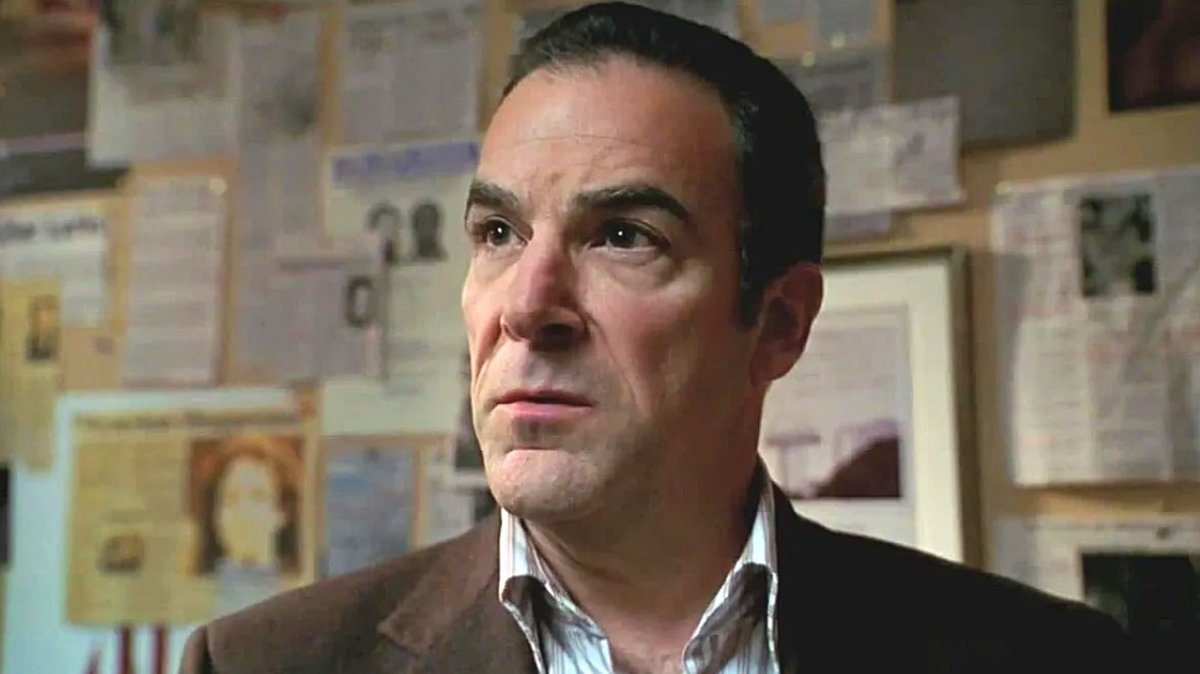
Jason Gideon. The name alone conjures images of a quiet intensity, a brilliant mind, and a profound empathy that anchored the early seasons of Criminal Minds. He was the original Senior Supervisory Special Agent, a founding father of the BAU, whose unconventional wisdom and deep understanding of the human psyche—both good and evil—set the stage for the groundbreaking procedural drama we know today. But beyond the captivating cases and the intricate profiles, lies a story of personal toll, an abrupt departure, and the surprising reasons why the actor behind the legend walked away from the show he helped define.
This flagship hub is your ultimate guide to understanding the enduring impact of Jason Gideon, a character whose shadow stretches long over the BAU even years after his dramatic exit.
The Quiet Giant: Unpacking Jason Gideon's Formative Years
Born June 1, 1955, Jason Gideon wasn't just another FBI agent; he was a legend in the making. A protégé of Max Ryan, his early career was marked by significant cases, including a pivotal bomber investigation that honed his unique profiling skills. He was a man deeply committed to his work, often at the expense of his personal life. His marriage to Dr. Jill, a biological psychiatrist, and their son Stephen, illustrate the human cost of his dedication, culminating in their divorce in 1999.
Gideon wasn't immune to the darkness he fought. He suffered a nervous breakdown and PTSD after the tragic Adrian Bale case, an event that claimed the lives of six agents and a hostage. This six-month medical leave underscored the immense personal burden he carried. When he returned, it was to a slightly shifted dynamic, with Hotch stepping into the Unit Chief role while Gideon retained his senior position, a testament to his irreplaceable expertise. To truly grasp the depth of this complex character and his journey, you'll want to Discover Jason Gideons profile for a full biography.
Master of the Mind: Gideon's Defining Cases and Profiling Prowess
Jason Gideon was renowned for his extraordinary ability to get inside the minds of the most disturbed criminals. His tenure at the BAU, though relatively short, was packed with some of the show's most memorable and intense cases, showcasing his psychological genius and unwavering dedication to justice.
From his work on "The Seattle Strangler," where he expertly profiled Timothy Vogel and saved Heather Woodland, to his confrontations with the enigmatic "Fisher King," Gideon’s methods were always precise and often groundbreaking. He used psychological tactics to secure confessions, identified "invisible" killers, and even navigated the moral complexities of allowing a woman's execution to ensure her son's future. His courage was particularly evident when facing the terrifying Frank Breitkopf, a killer he deemed the scariest of all, culminating in a harrowing standoff to save schoolchildren. For a deep dive into these pivotal moments, explore the Key Jason Gideon Criminal Minds episodes that defined his legacy.
A Guiding Hand: Gideon's Bond with the BAU Team
More than just a profiler, Gideon was a mentor, a father figure, and an intellectual cornerstone for the nascent BAU team. He had a particularly profound influence on Dr. Spencer Reid, helping him navigate nightmares and pushing him to embrace his unique genius. His interactions with Hotch, Morgan, Prentiss, Elle, and JJ were foundational, shaping the dynamics and ethos of the unit. He taught them not just how to catch monsters, but how to understand the humanity beneath the horror, and perhaps, how to keep a piece of their own humanity intact.
His calm demeanor often belied the storm raging within, but his concern for his team was always evident. He was the wise elder, guiding them through the psychological minefield of their profession. Understanding the intricate connections he forged with his colleagues is crucial to appreciating his full impact. Delve into Gideons bond with the BAU to see how he shaped the lives and careers of those around him.
The Art of Understanding: Gideon's Philosophy and Methods
Jason Gideon's approach to profiling was less about chasing clues and more about understanding motive, pathology, and human behavior. He believed in seeing the humanity, however twisted, in the unsub, and using that insight to predict their next move. His methods often involved subtle psychological manipulation, like mixing photos to secure a confession from Karl Arnold, or manipulating a killer's need for attention to ensnare them. He wasn't just solving crimes; he was deciphering the darkest riddles of the human condition.
His insights were often philosophical, profound, and sometimes unsettling, revealing the fragility of the line between good and evil. He understood that to catch a monster, one must first comprehend the forces that created it. To truly appreciate his genius and the techniques he employed, dive deeper into The Philosophy & Methods of his iconic profiling.
The Unbearable Weight: Gideon's Departure and Lasting Legacy
At the beginning of Season Three, the cumulative trauma of his work finally broke Jason Gideon. The murder of his girlfriend, Sarah Jacobs, at the hands of Frank Breitkopf, followed by the harrowing Flagstaff case, proved to be the final straw. He abruptly retired, leaving his gun, badge, and a poignant letter for Reid, stating he had "lost his grip" and faith in "happy endings." He confessed to seeing only death when looking at people and blamed himself for victims' fates, a heartbreaking testament to the psychological toll of his profession.
His departure was as sudden for viewers as it was for the BAU team. Mandy Patinkin, the actor who brought Gideon to life, famously left the show due to "creative differences," later revealing in 2012 that choosing Criminal Minds was his "biggest public mistake." He found the show's consistent depiction of violence, particularly against women, "very destructive to his soul and his personality."
Years later, in Season Ten, Gideon's story came to a tragic end when he was found murdered by Donnie Mallick, a killer from an old, unsolved case Gideon had been pursuing. His death brought Rossi and Morgan back to his cabin, where Rossi ultimately avenged his friend. Gideon's presence continued to be felt long after, with his wisdom and spirit living on in the memories and actions of the BAU team. To understand the full scope of his exit and its ripple effects, Explore Gideons departure and legacy.
Jason Gideon, the man who saw too much, understood too deeply, and ultimately broke under the immense weight of humanity's darkness, remains an indelible figure in the Criminal Minds universe. His legacy is a poignant reminder of the unseen costs of fighting evil and the profound impact one person can have, both on screen and off.